Article: Screen-Free Activities for Toddlers: 25 Fun Ways to Encourage Learning and Creativity
Screen-Free Activities for Toddlers: 25 Fun Ways to Encourage Learning and Creativity
Today's parents face a common challenge: keeping toddlers entertained without relying on screens. While technology has its place, too much screen time can reduce opportunities for active play, creativity, and hands-on learning during the years when children's brains develop most rapidly.
The good news is that children don't need tablets or television to have fun. Simple, engaging activities and thoughtfully chosen educational toys can spark curiosity, build confidence, and encourage lifelong learning.
In this guide, you'll discover 25 screen-free activities that support healthy development while creating meaningful family moments.
Why Screen-Free Play Is Important
The first five years of life are critical for brain development. During this time, children learn through movement, exploration, conversation, and imaginative play.
Screen-free activities help toddlers:
-
Strengthen communication skills
-
Improve concentration
-
Develop creativity
-
Build problem-solving abilities
-
Improve fine and gross motor skills
-
Encourage independent thinking
-
Strengthen parent-child relationships
Hands-on experiences create opportunities for children to learn naturally while having fun.
25 Screen-Free Activities for Toddlers
1. Build with Wooden Blocks
Building towers, bridges, and simple structures improves creativity, balance, and spatial awareness.
2. Explore Sensory Bins
Fill a container with rice, pasta, sand, or water beads (age-appropriate and supervised) and let children scoop, pour, and explore different textures.
3. Complete Simple Puzzles
Large-piece puzzles teach patience, concentration, and logical thinking.
4. Read Interactive Storybooks
Reading together improves vocabulary, listening skills, and imagination.
5. Paint with Fingers
Finger painting encourages creativity while strengthening hand muscles.
6. Create a Treasure Hunt
Hide toys around the house and let your toddler search for them using simple clues.
7. Stack Cups
Stacking and nesting cups teach size recognition, balance, and coordination.
8. Pretend Play
Children love pretending to cook, shop, or care for dolls and stuffed animals. Pretend play develops language and social skills.
9. Dance Together
Play music and encourage your child to dance freely. Dancing improves balance, coordination, and confidence.
10. Nature Walks
Collect leaves, flowers, and small rocks while talking about colors, shapes, and textures.
11. Shape Sorting Games
Shape sorters help children recognize patterns while improving fine motor skills.
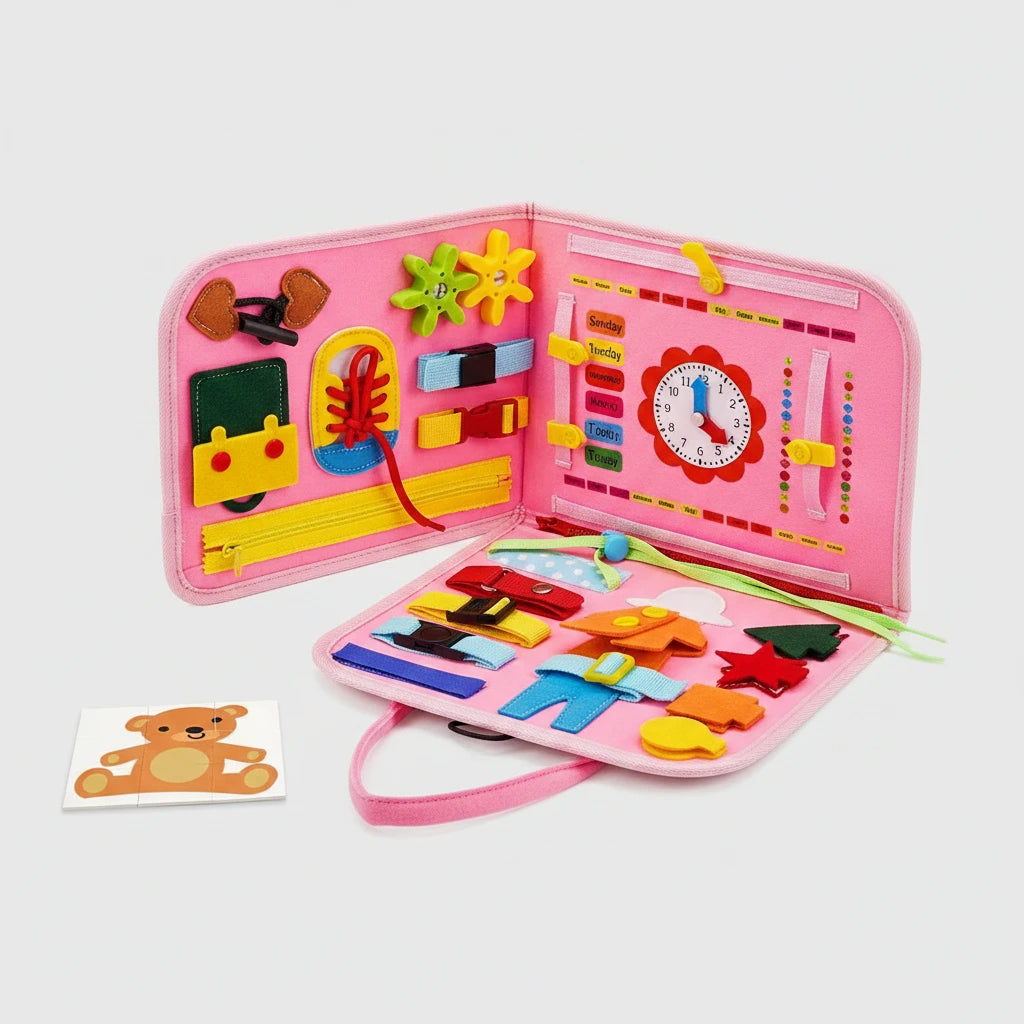
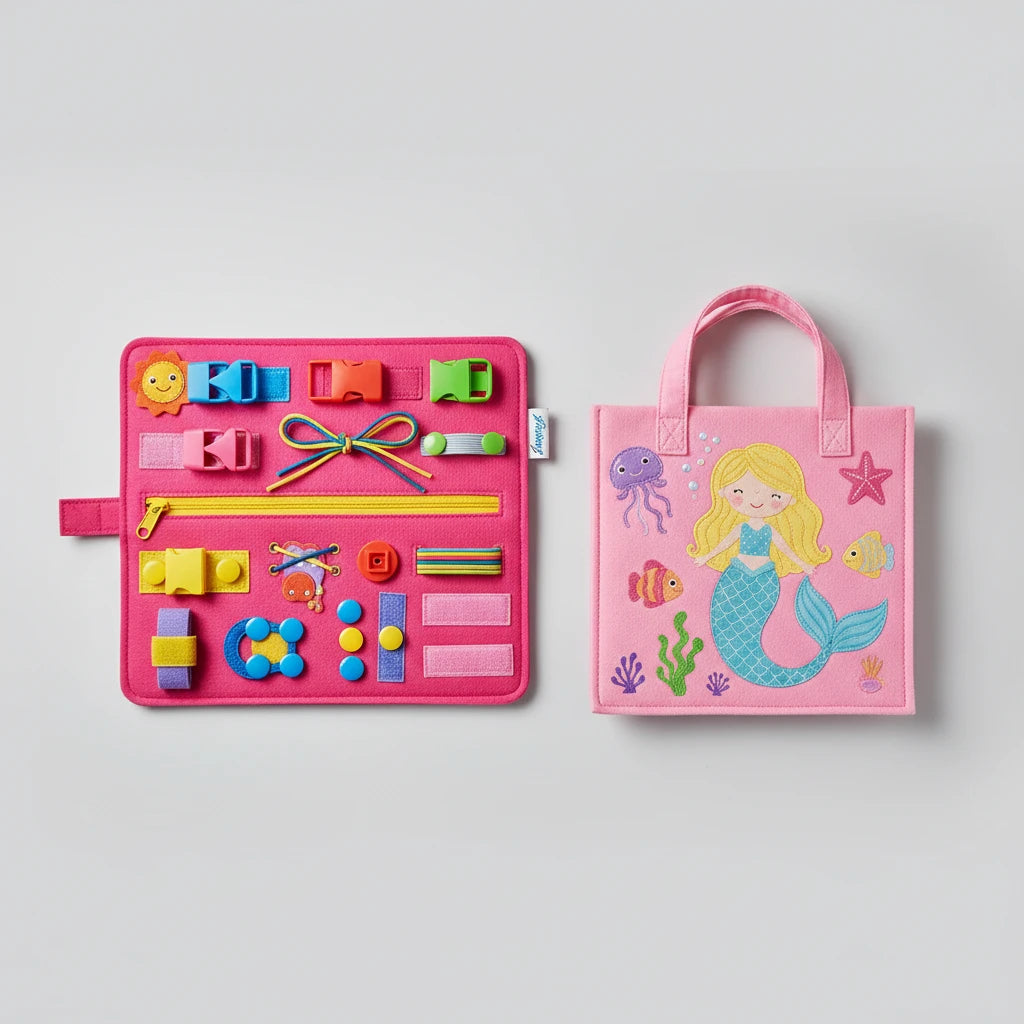
12. Play with Busy Boards
Busy boards encourage independent learning through everyday activities like buckling, zipping, and buttoning.
13. Color Matching
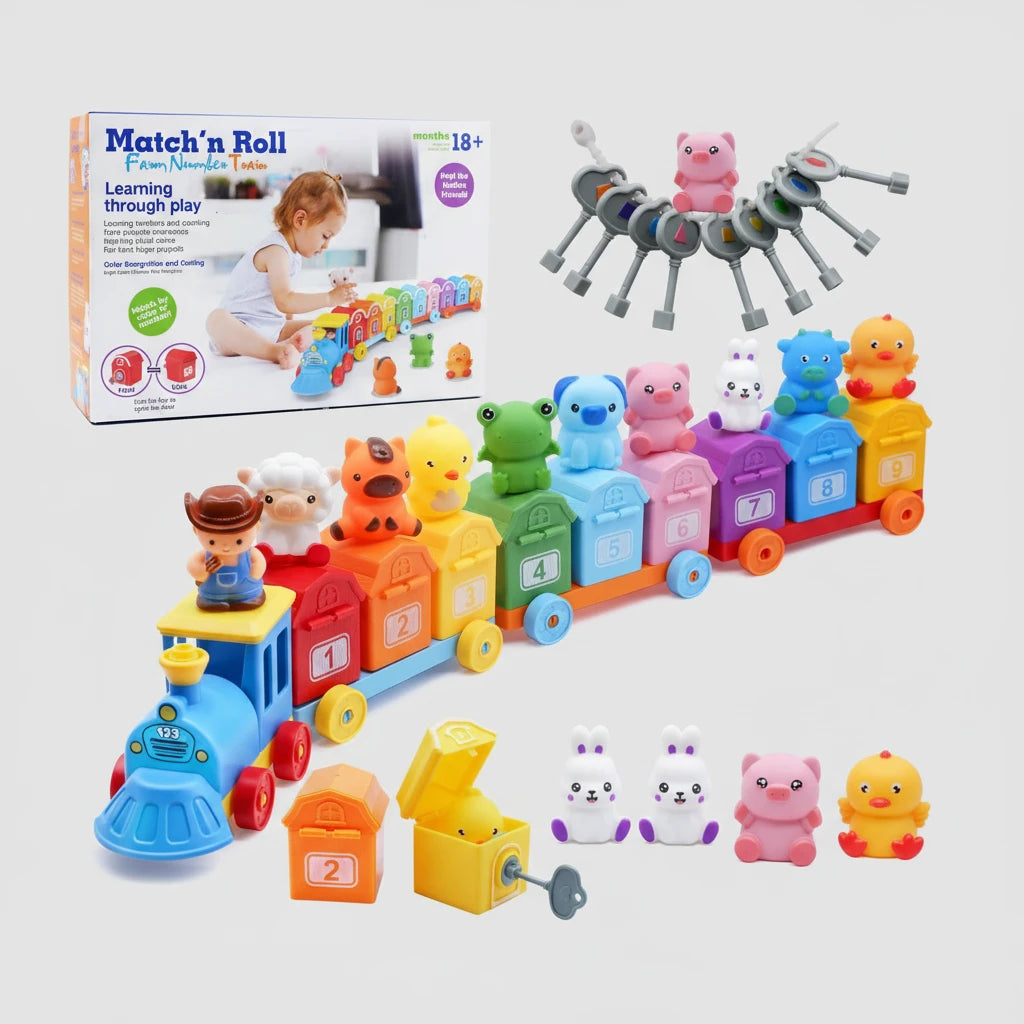
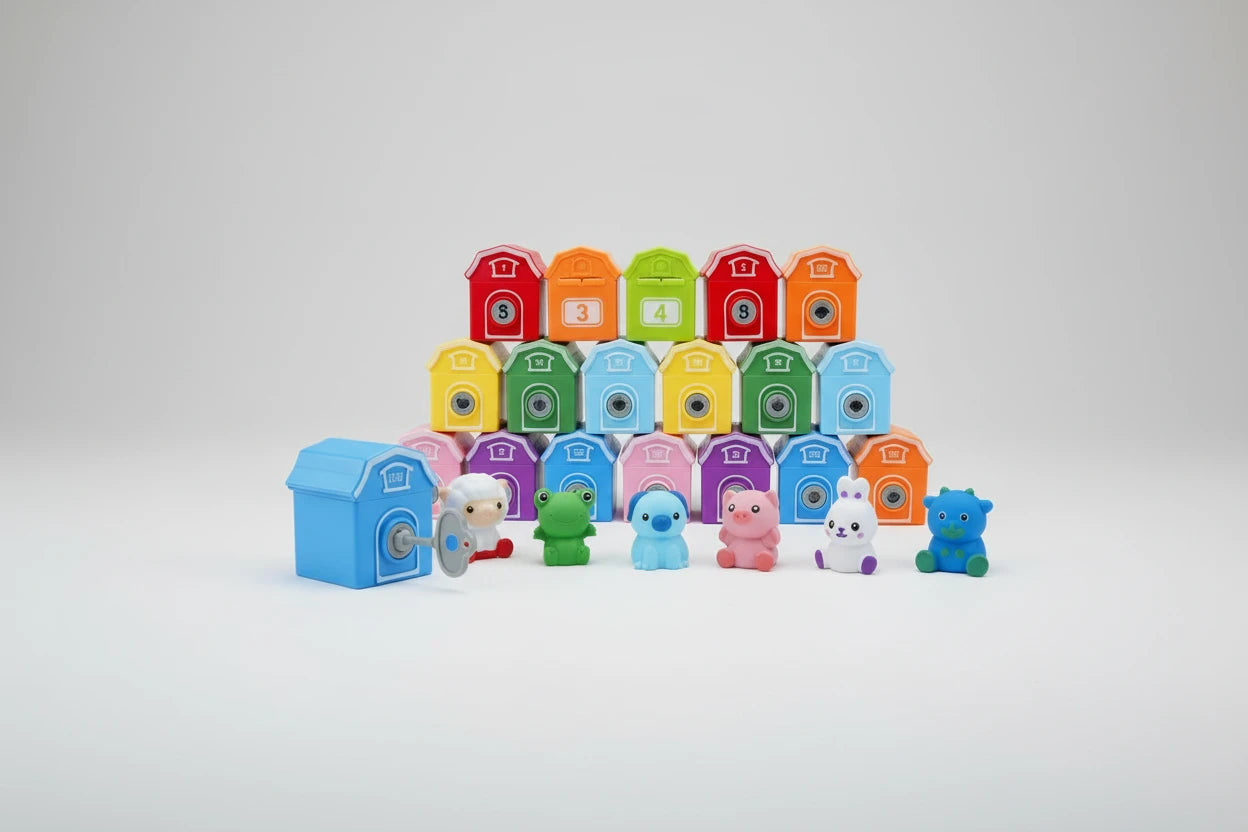
Use colorful toys or household objects to teach color recognition.
14. Bubble Play
Chasing and popping bubbles develops hand-eye coordination and balance.
15. Build Obstacle Courses
Use pillows, cushions, and soft objects to create safe indoor adventures.
16. Sorting Games
Sort toys by color, size, or shape to develop early math skills.
17. Gardening Together
Plant flowers or herbs and teach children how plants grow.
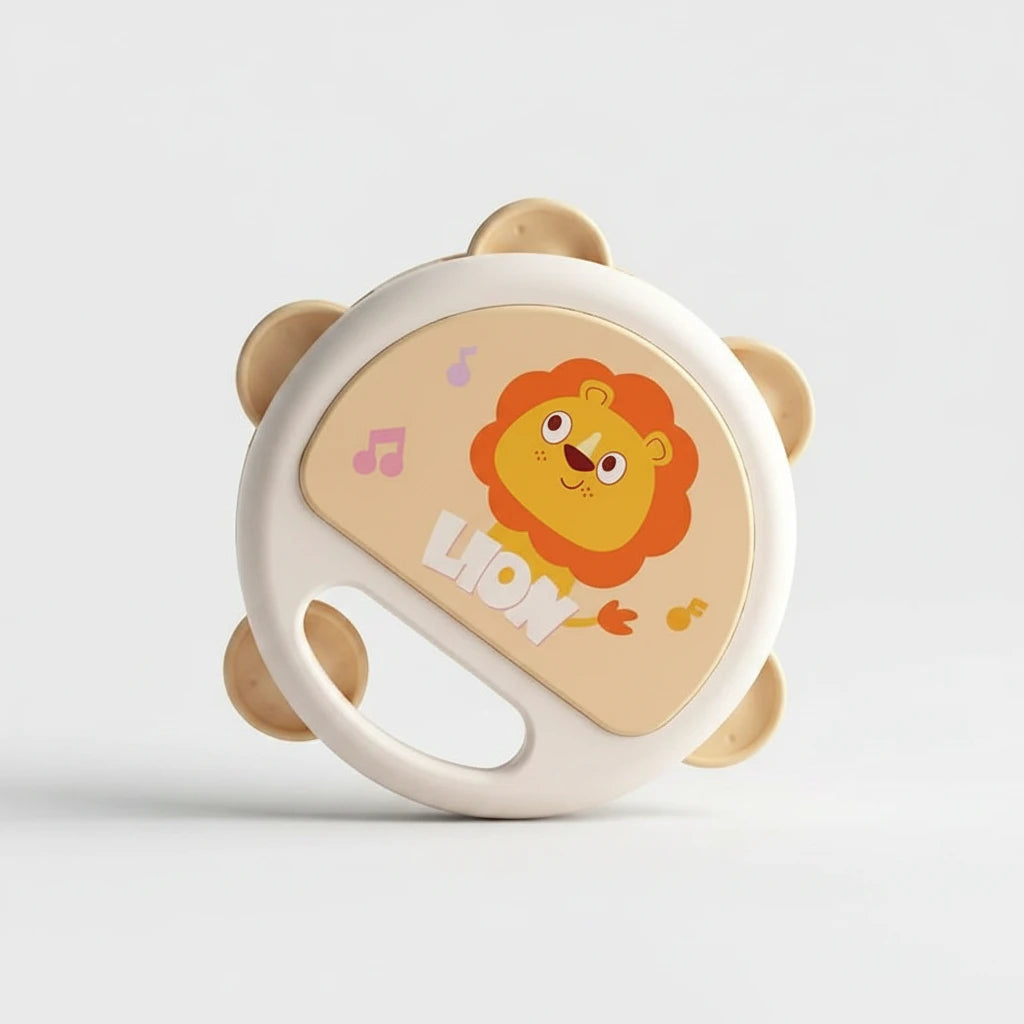
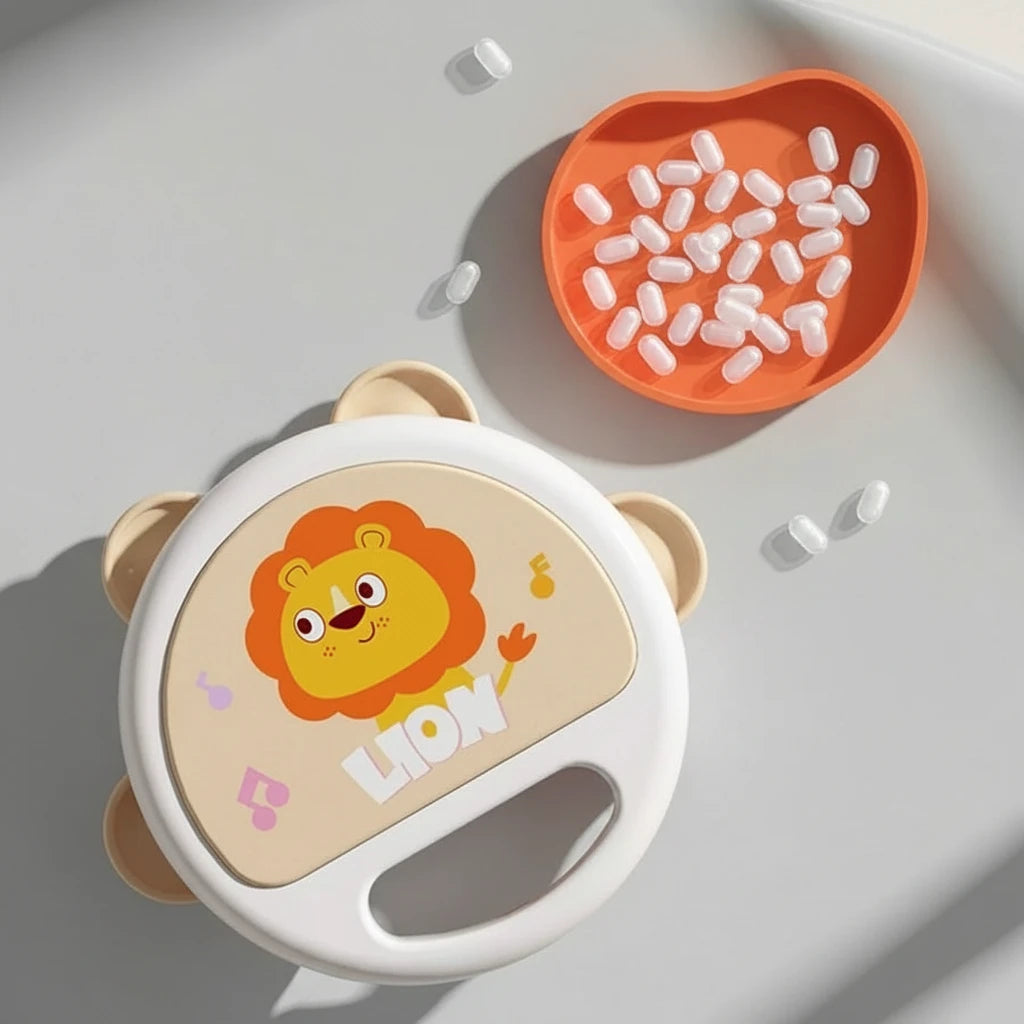
18. Musical Play
Introduce simple instruments such as tambourines, drums, or xylophones to encourage rhythm and creativity.
19. Water Play
Pouring, scooping, and splashing water builds coordination while introducing basic science concepts.
20. Sticker Activities
Stickers improve finger strength and precision.
21. Building with Magnetic Tiles
Magnetic building toys encourage creativity and early engineering skills.
22. Simple Cooking Activities
Mix ingredients, stir batter, or decorate healthy snacks together.
23. Memory Matching Games
Memory games improve concentration and cognitive development.
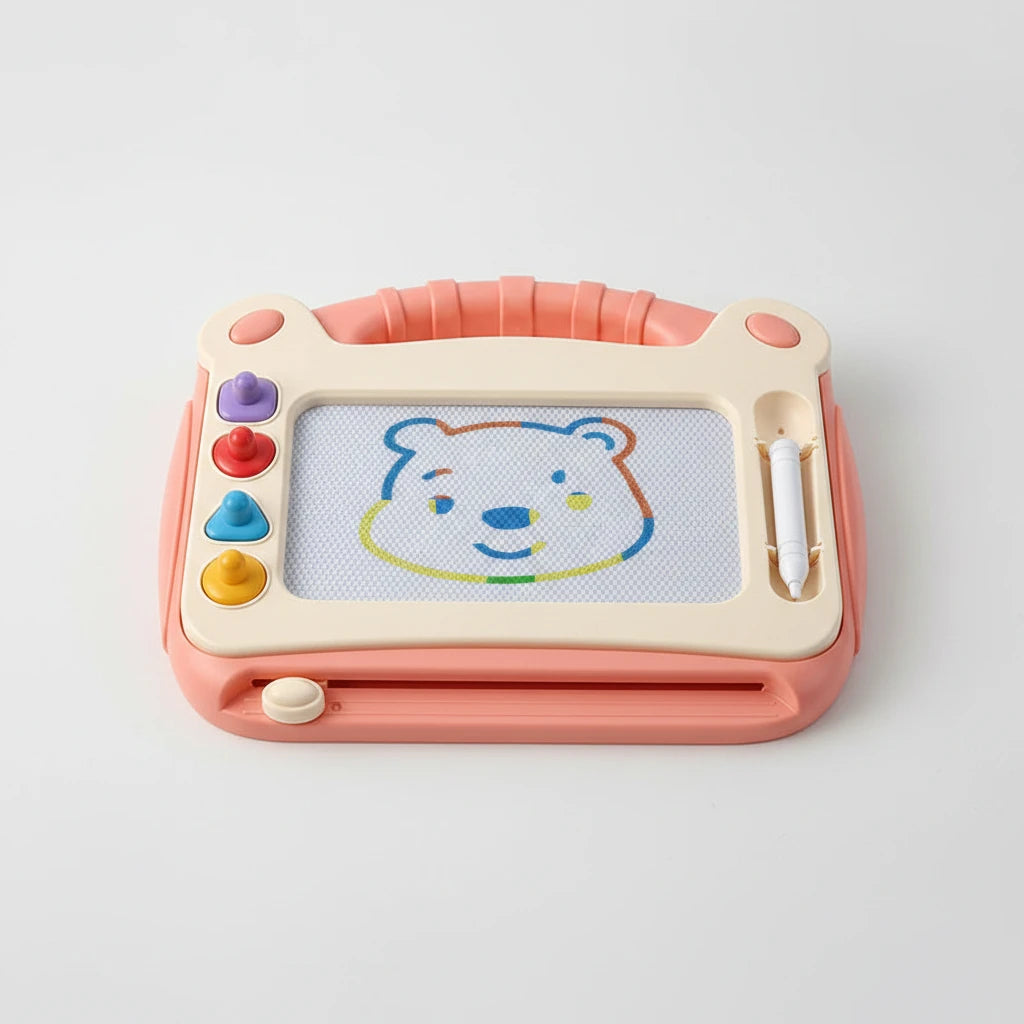
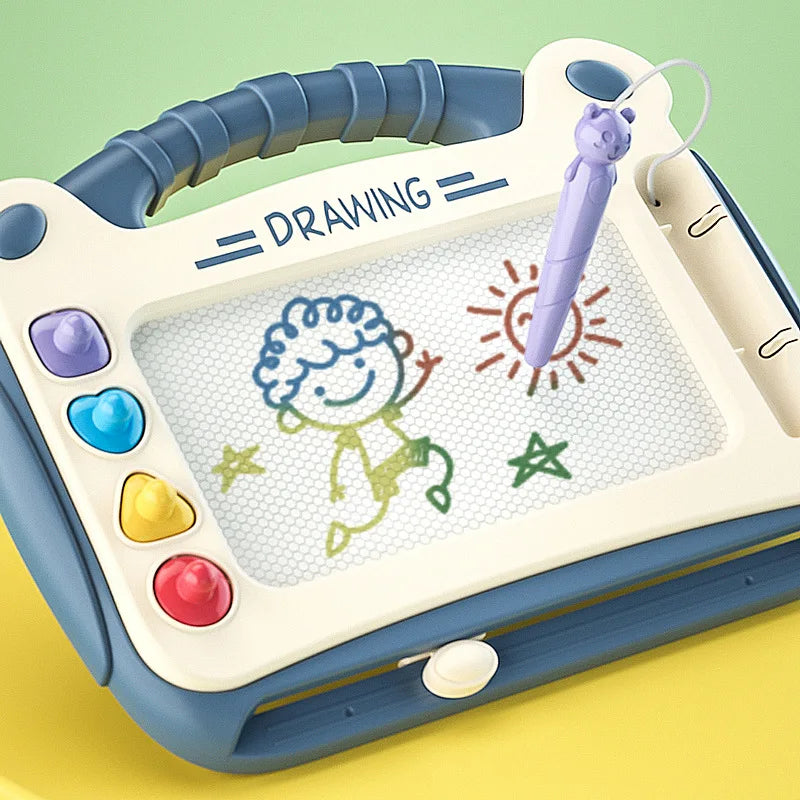
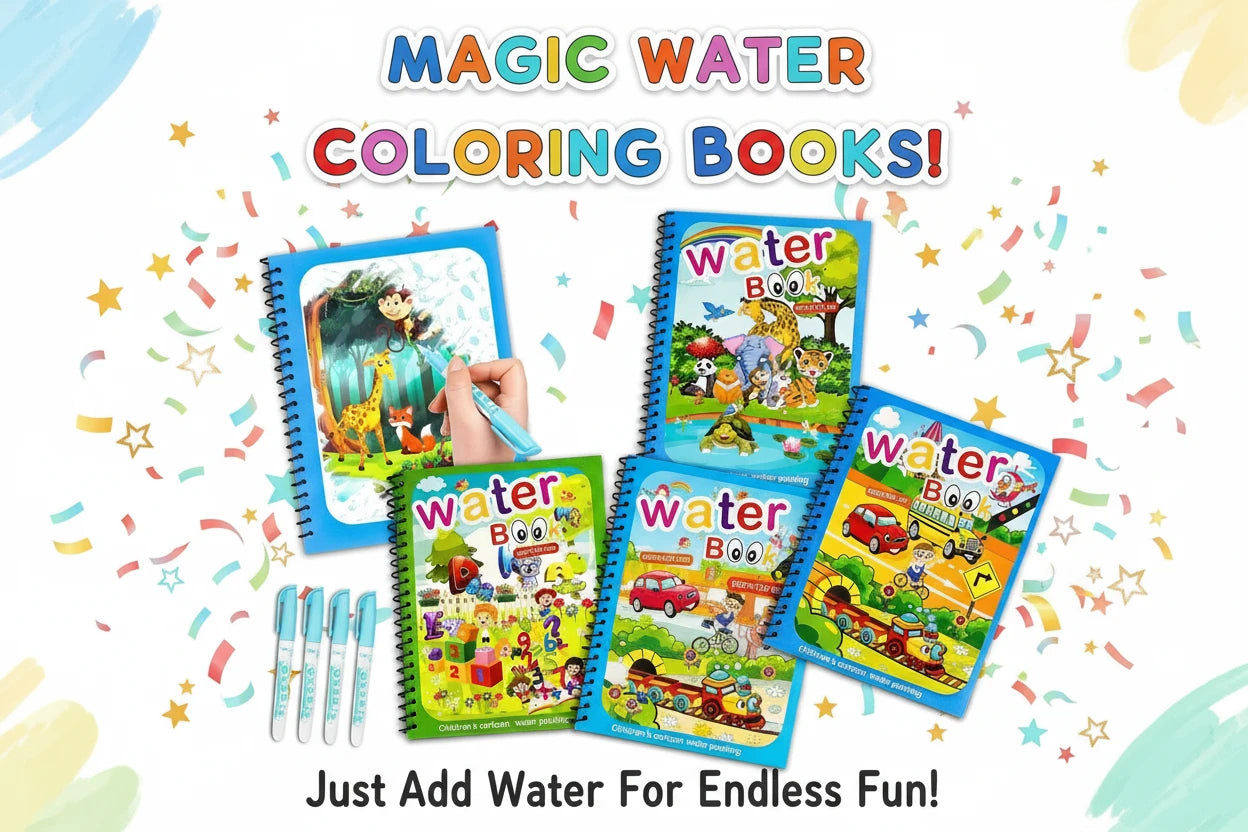
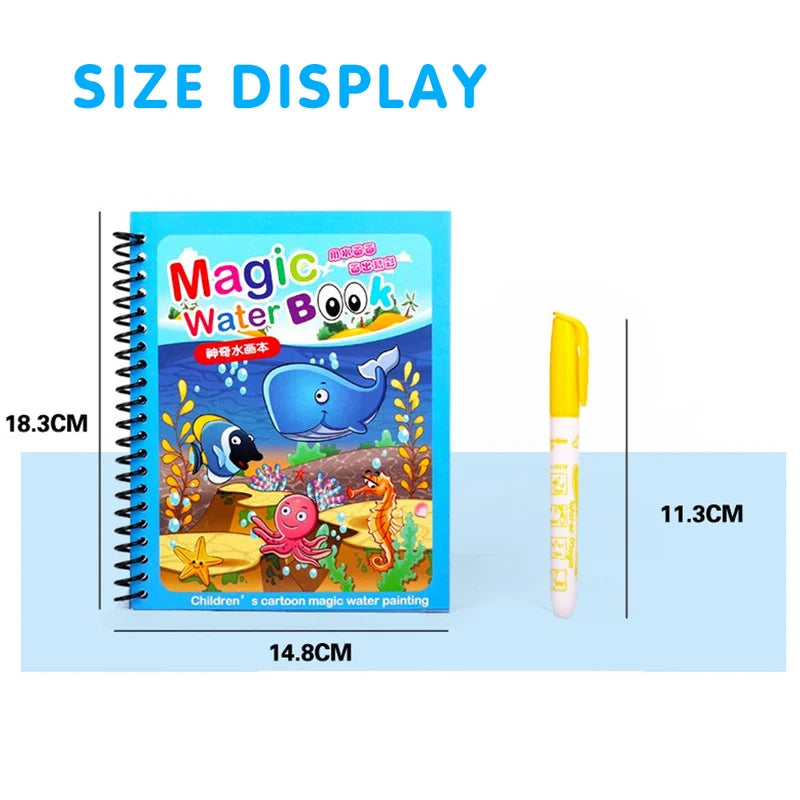
24. Drawing and Coloring
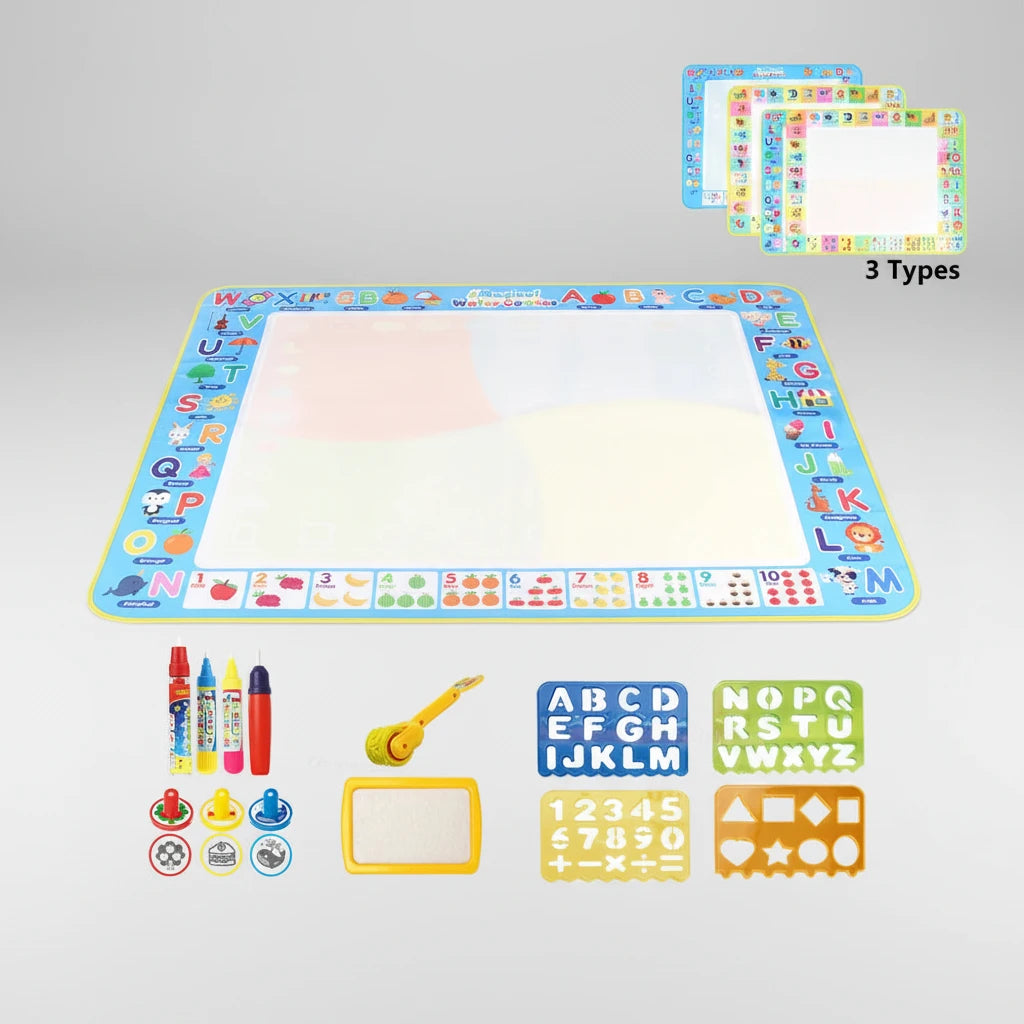
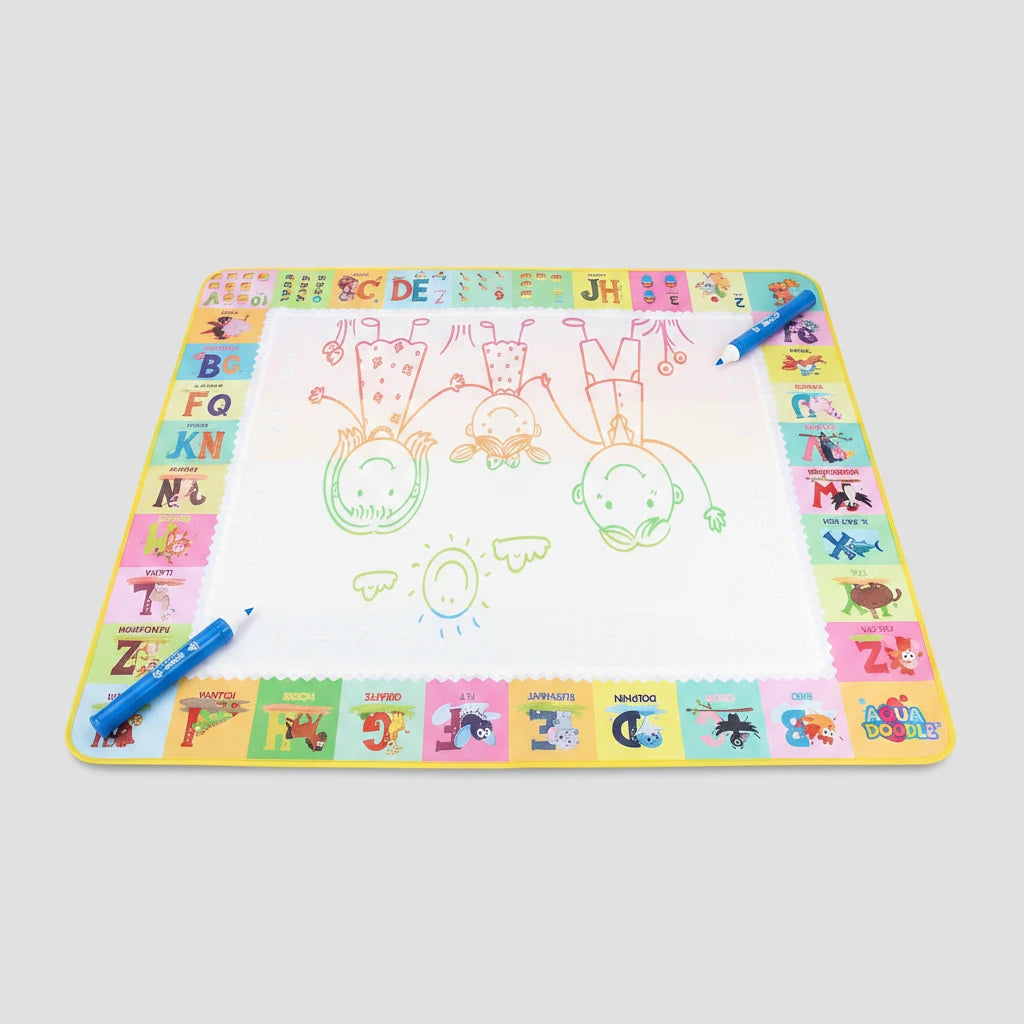
Encourage self-expression while developing pencil control and creativity.
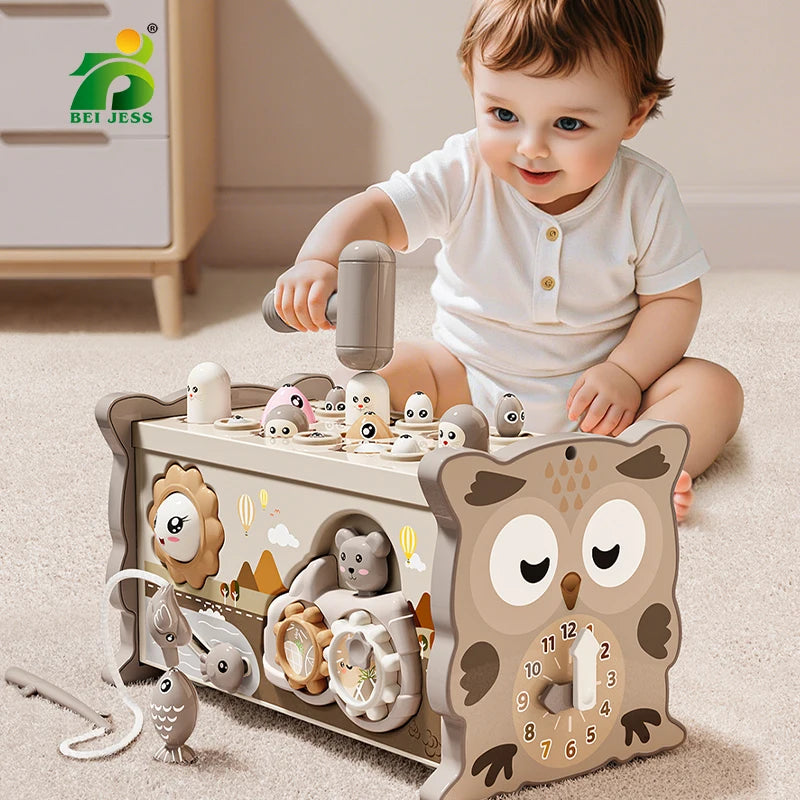
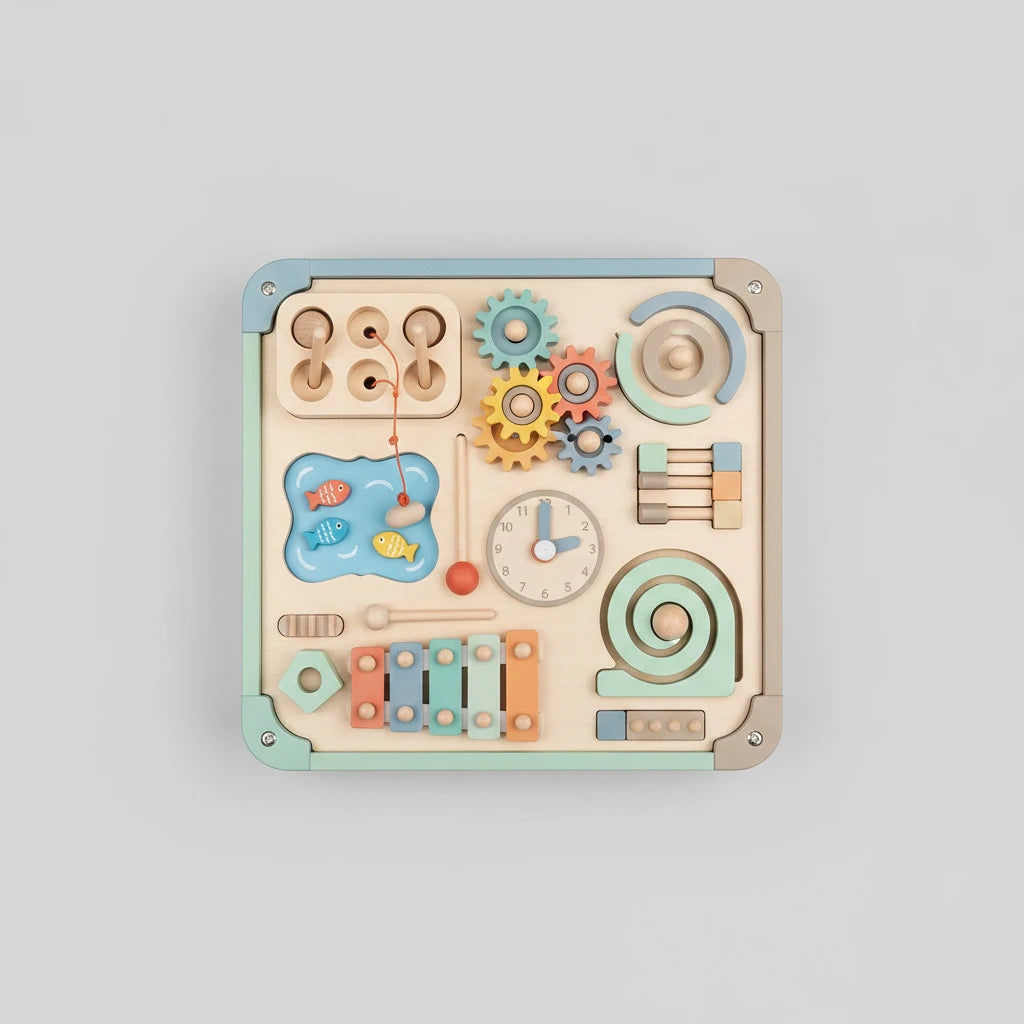
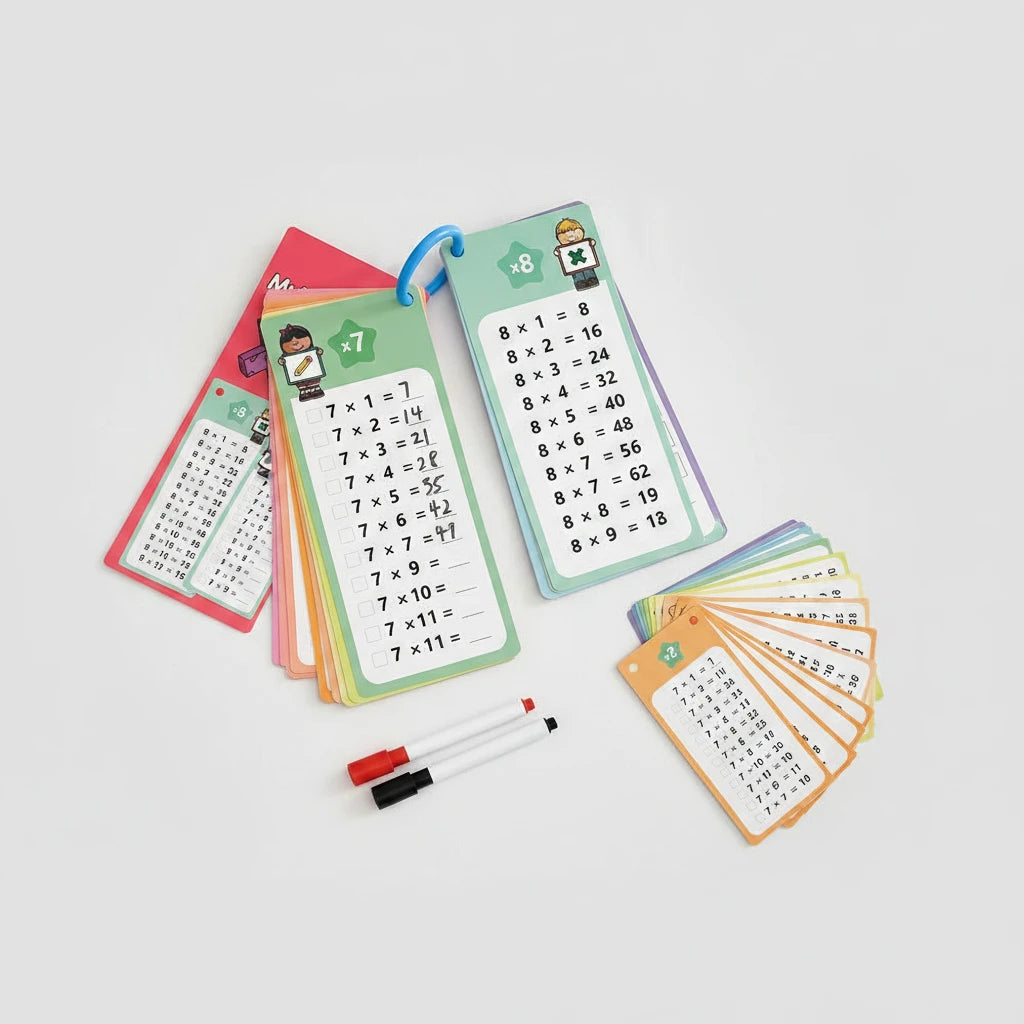
25. Montessori Learning Toys
Montessori-inspired toys encourage children to solve problems independently while learning through exploration and discovery.
Benefits of Educational Toys During Screen-Free Play
Educational toys make independent play more engaging while supporting important developmental milestones.
They help children:
-
Improve concentration
-
Develop creativity
-
Strengthen motor skills
-
Build confidence
-
Learn through hands-on experiences
-
Practice early literacy and math concepts
The best toys encourage children to think, create, and explore rather than simply watch and react.
Creating a Screen-Free Routine at Home
A balanced daily routine helps children enjoy a variety of activities.
You can create a simple routine that includes:
-
Reading time
-
Outdoor play
-
Educational toys
-
Creative art projects
-
Music and movement
-
Quiet independent play
-
Family games
Rotating toys and activities every few days helps maintain interest without overwhelming your child.
Why Parents Trust Petit Trésor
At Petit Trésor, we believe childhood should be filled with curiosity, creativity, and meaningful play. That's why we carefully select educational toys, Montessori-inspired learning tools, sensory games, and baby essentials that encourage healthy development while making playtime exciting.
Our mission is to help parents discover high-quality products that support learning, inspire imagination, and create joyful family moments every day.
Whether you're shopping for your baby's first toy or looking for educational gifts for a growing toddler, you'll find products designed to nurture every stage of childhood.
Frequently Asked Questions
How much screen time should toddlers have?
Many child development experts recommend minimizing screen time for very young children and prioritizing interactive, hands-on play whenever possible. Check local pediatric guidance for recommendations that fit your child's age.
What are the best screen-free activities for toddlers?
Building blocks, sensory play, puzzles, pretend play, reading, outdoor exploration, music, and educational toys are among the most effective options.
Why is imaginative play important?
Imaginative play helps children develop creativity, language, emotional understanding, and problem-solving skills while encouraging independent thinking.
Can educational toys replace screen time?
Educational toys provide engaging, hands-on experiences that encourage active learning and are an excellent way to reduce recreational screen time while supporting healthy development.