15 Best Educational Toys for Toddlers in 2026: Boost Learning Through Play
Parents often wonder which toys are truly worth buying for their toddlers. With so many options available, it's easy to choose toys that entertain for a few days but offer little long-term value. The best educational toys do much more than keep children busy—they help build confidence, creativity, problem-solving skills, and a lifelong love of learning.
In this guide, we'll explore the best educational toys for toddlers, how they support child development, and what to look for when choosing age-appropriate toys for your little one.
Why Educational Toys Matter
The first few years of a child's life are filled with incredible growth. During this time, their brains develop rapidly as they learn through exploration, movement, and hands-on experiences.
Educational toys encourage children to:
-
Build fine and gross motor skills
-
Improve hand-eye coordination
-
Develop language and communication
-
Strengthen memory and concentration
-
Encourage creativity and imagination
-
Learn problem-solving skills
-
Gain confidence through independent play
When children are engaged in purposeful play, every moment becomes an opportunity to learn.
What Makes a Great Educational Toy?
Not every toy labeled "educational" provides meaningful learning experiences. The best toys are simple, engaging, and encourage children to think, explore, and create.
Look for toys that are:
-
Safe and made from child-friendly materials
-
Suitable for your child's age and developmental stage
-
Durable enough for everyday use
-
Open-ended, allowing for different ways to play
-
Designed to encourage imagination rather than passive entertainment
15 Educational Toys Every Toddler Will Love
1. Wooden Building Blocks
Building blocks help toddlers improve coordination, creativity, balance, and early engineering skills while encouraging endless imaginative play.
2. Shape Sorters
Shape sorters teach children to recognize different shapes while improving problem-solving and fine motor skills.
3. Stacking Cups
Simple stacking toys introduce concepts like size, balance, and sequencing while strengthening hand muscles.
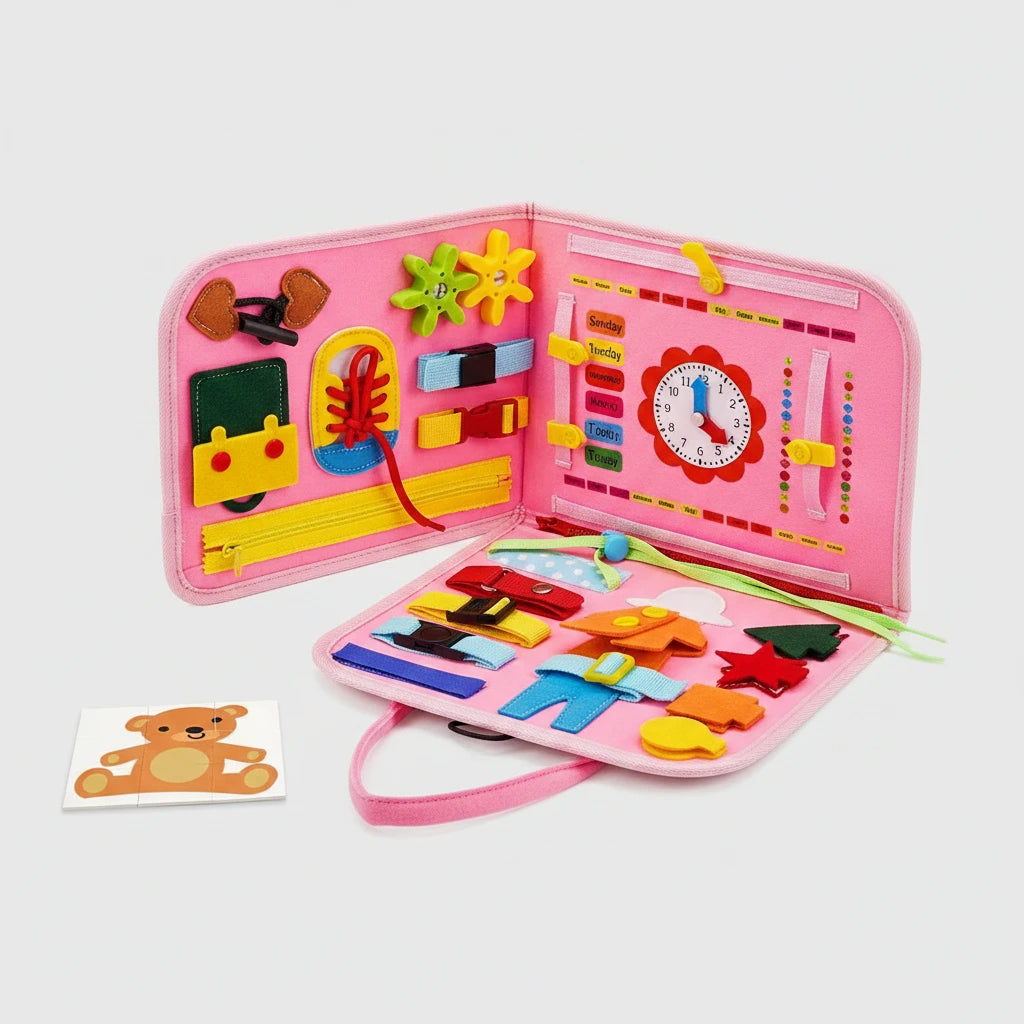
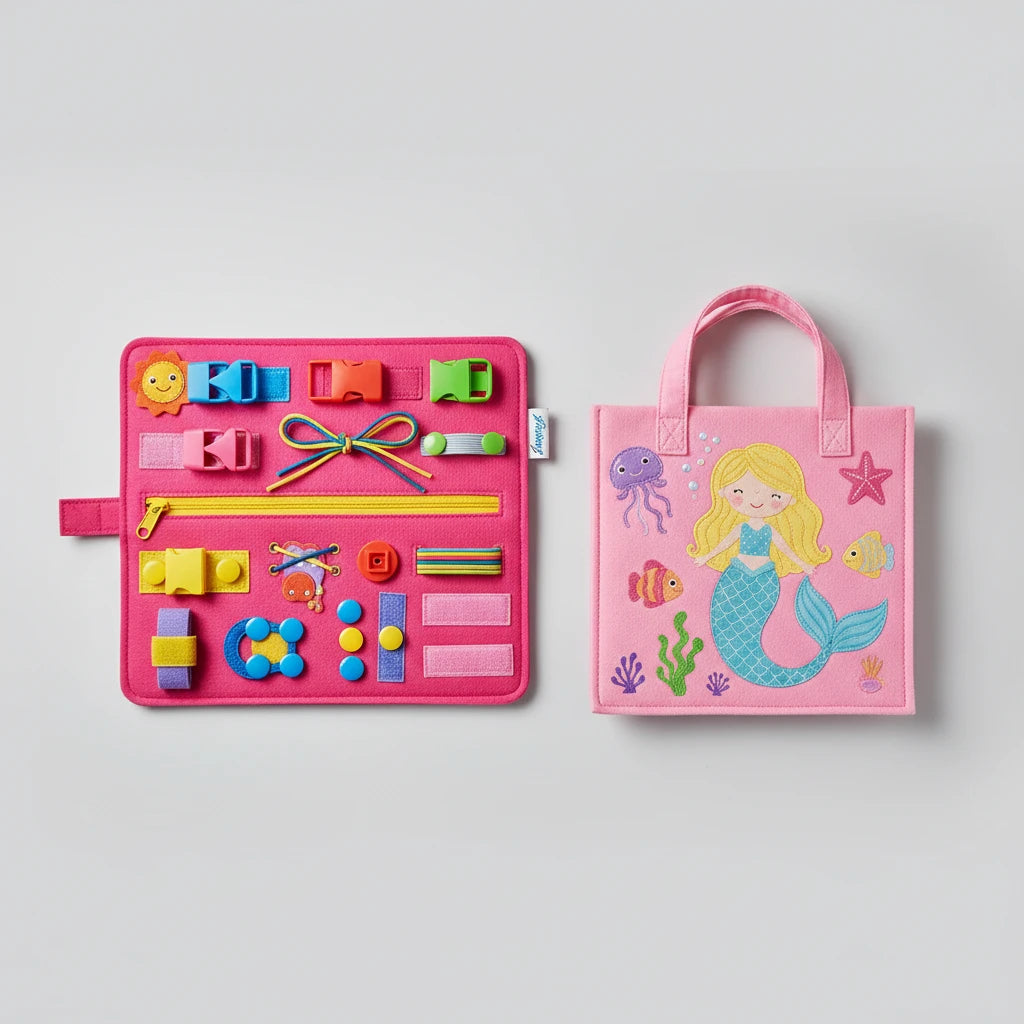
4. Montessori Busy Boards
Busy boards encourage independent exploration through buttons, zippers, buckles, switches, and laces that develop practical life skills.
5. Sensory Toys
Different textures, sounds, and colors stimulate a child's senses while supporting brain development during the early years.
6. Wooden Puzzles
Puzzles improve concentration, patience, logical thinking, and hand-eye coordination while teaching children to recognize patterns.
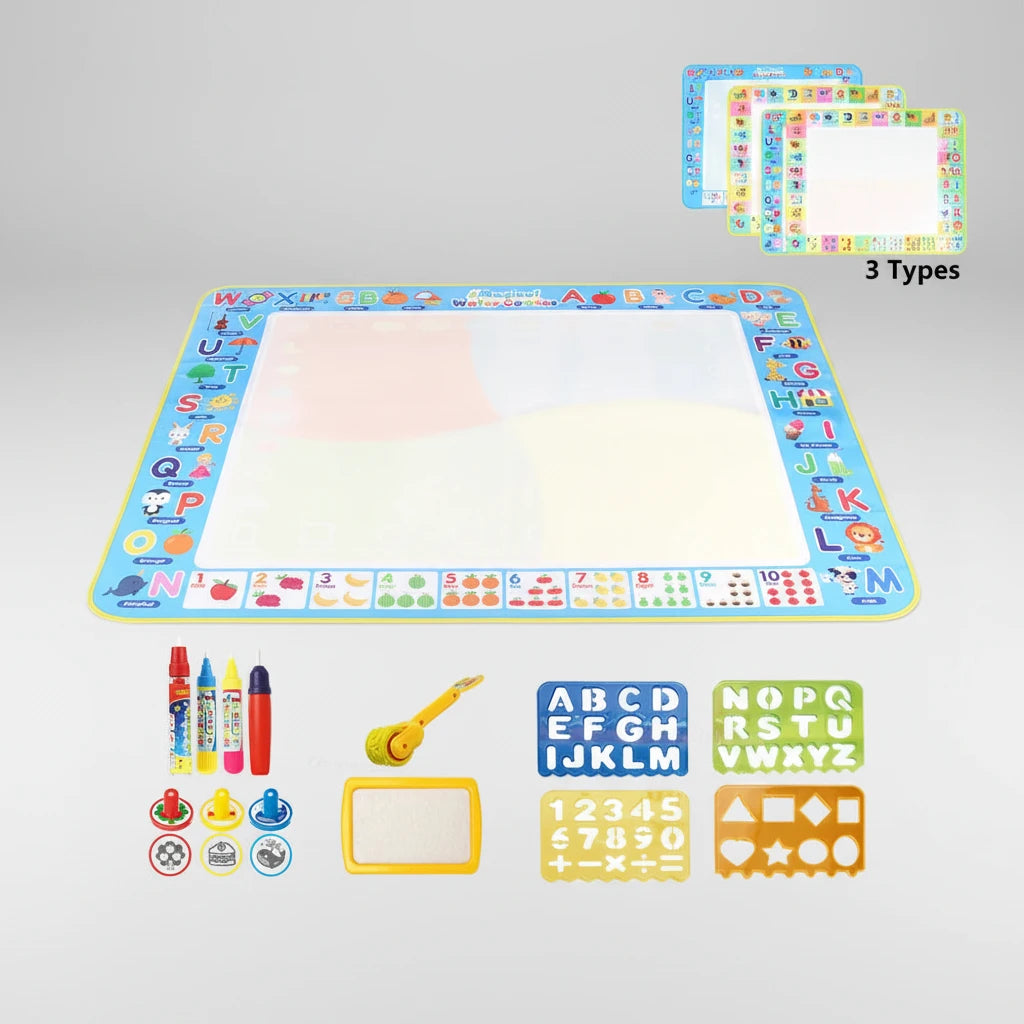
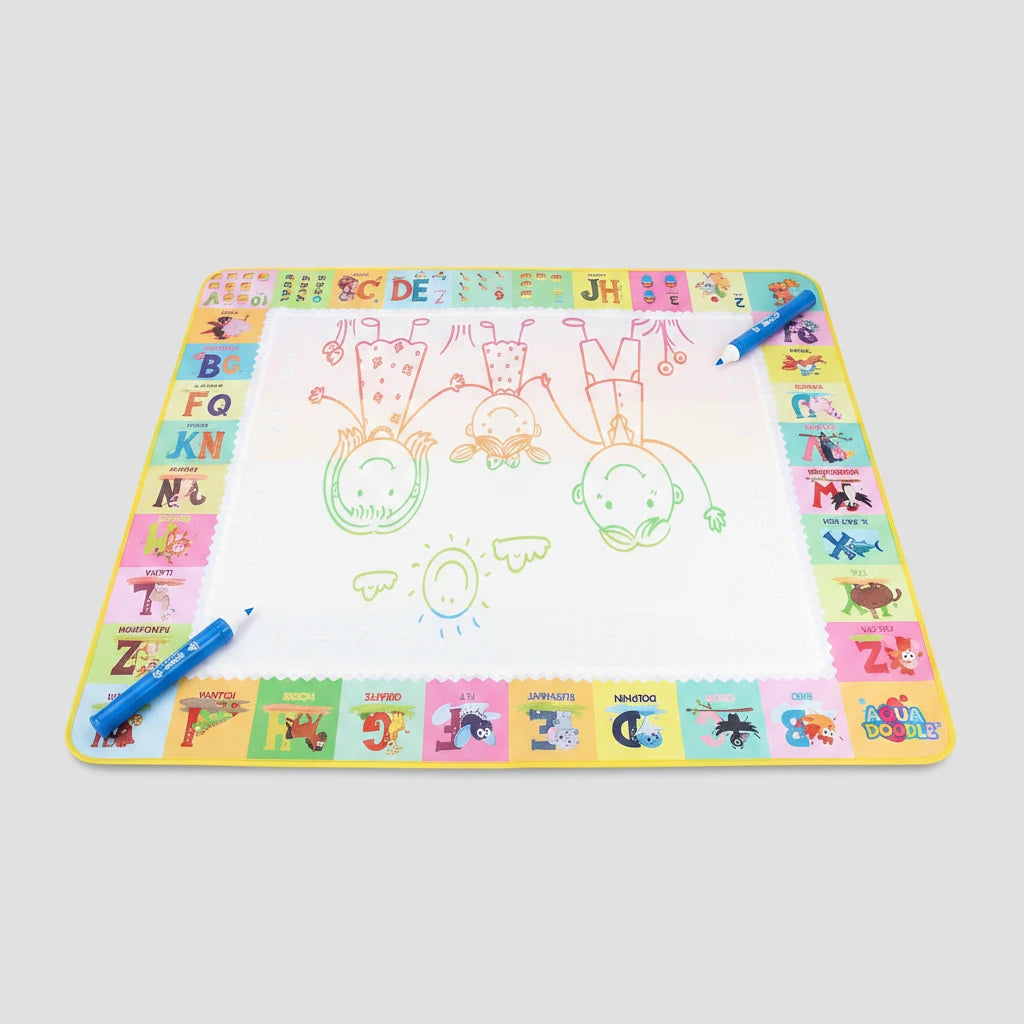
7. Alphabet Learning Toys
Letter puzzles and alphabet boards introduce early literacy in a fun, interactive way.
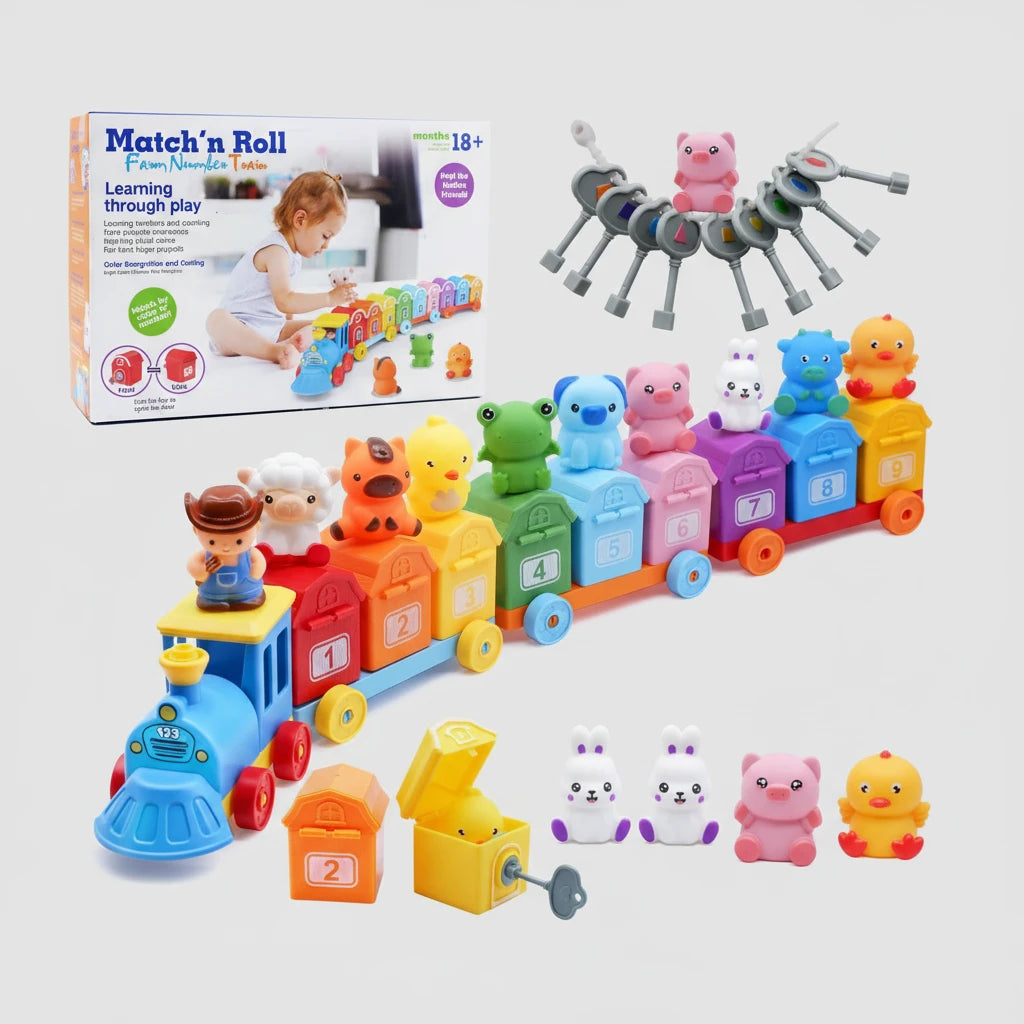
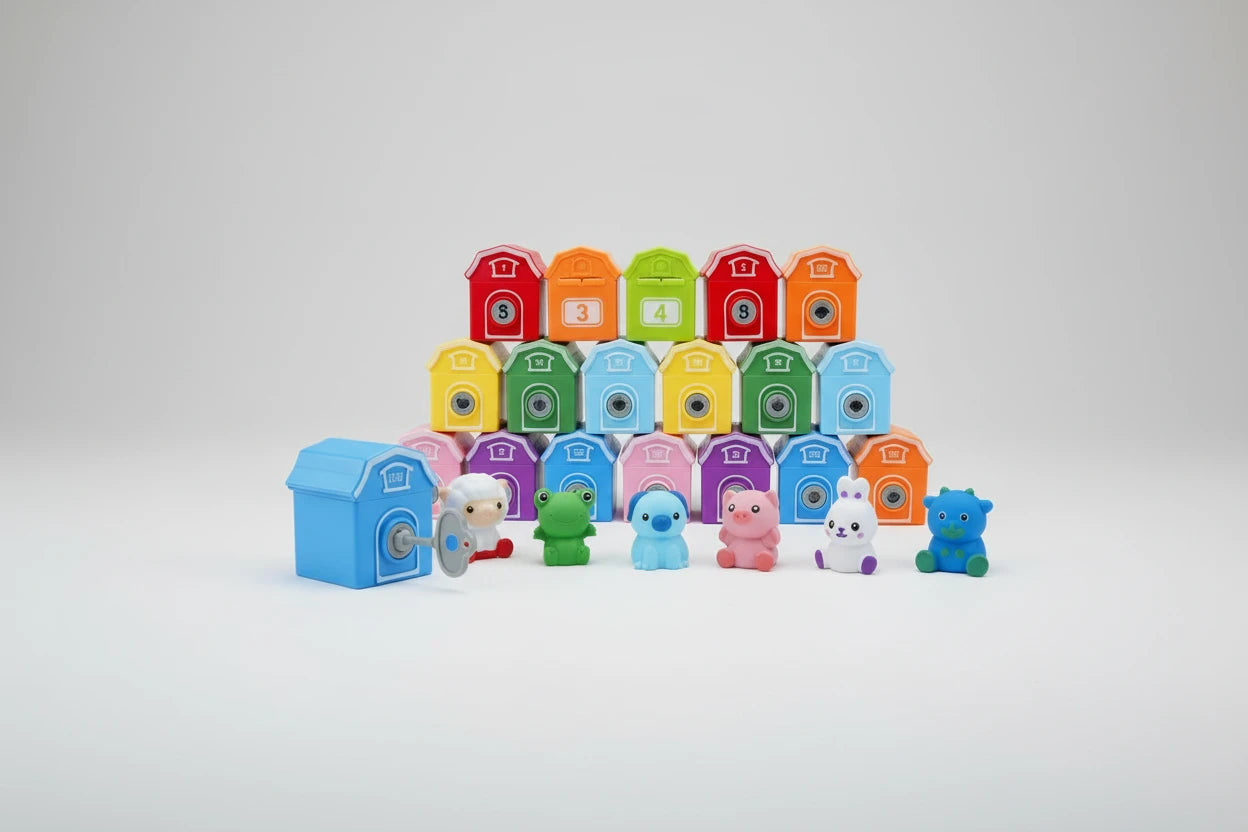
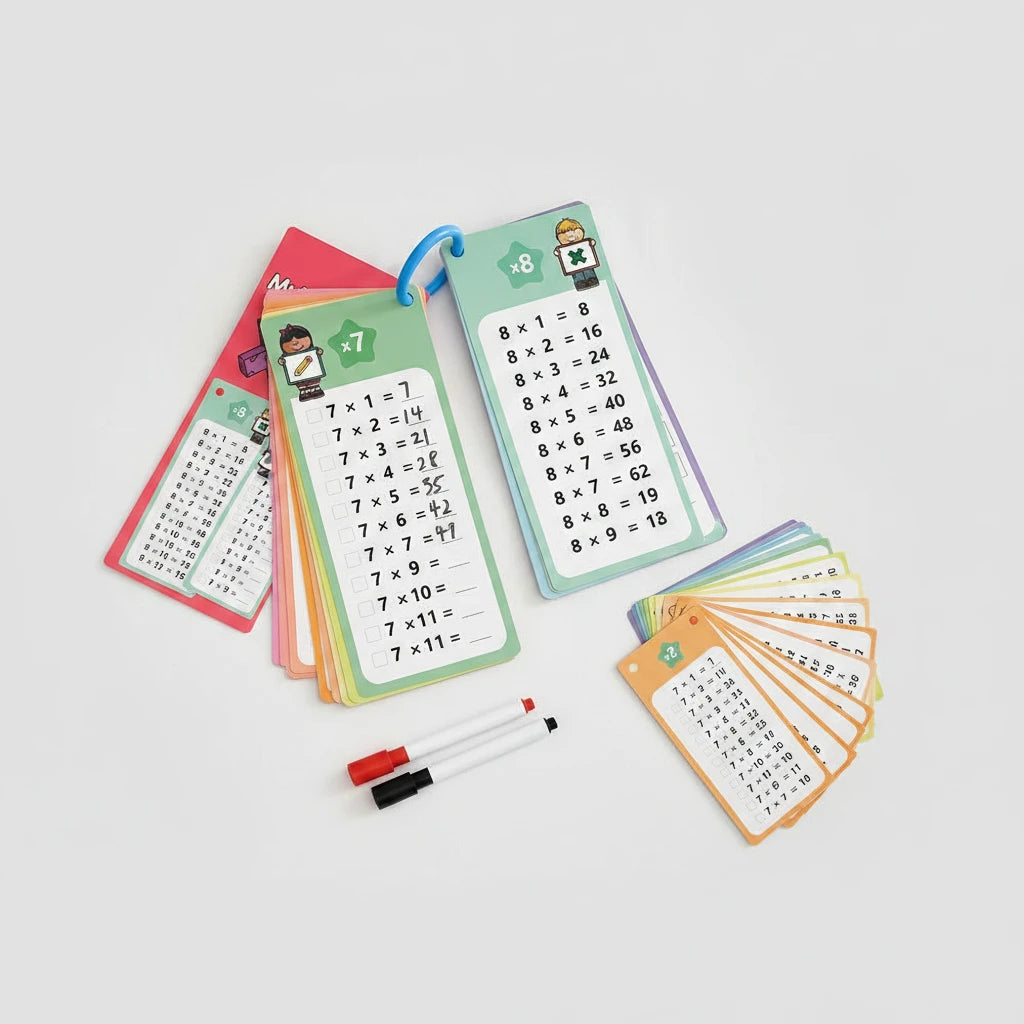
8. Number Games
Counting toys help toddlers develop early math skills through hands-on play.
9. Pretend Play Kitchen Sets
Pretend play encourages imagination, communication, and social development as children imitate everyday activities.
10. Musical Instruments
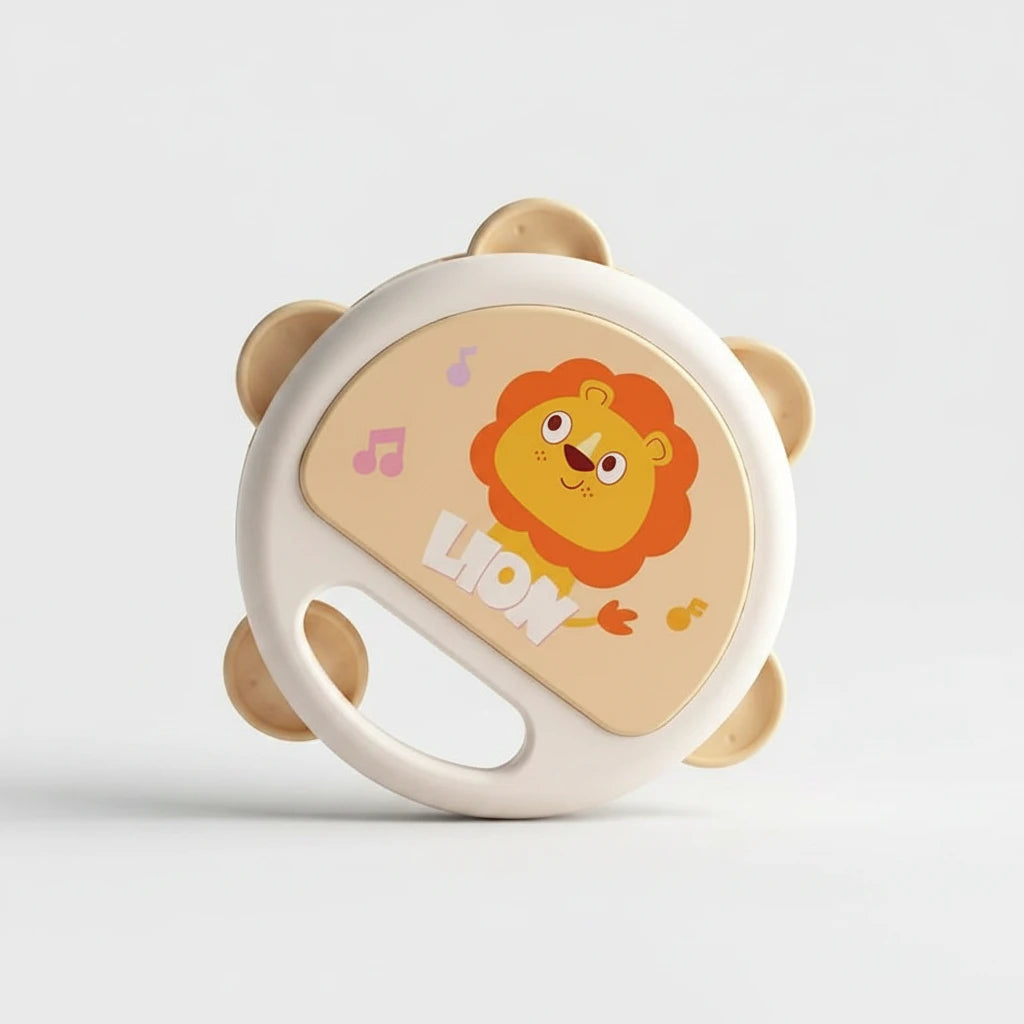
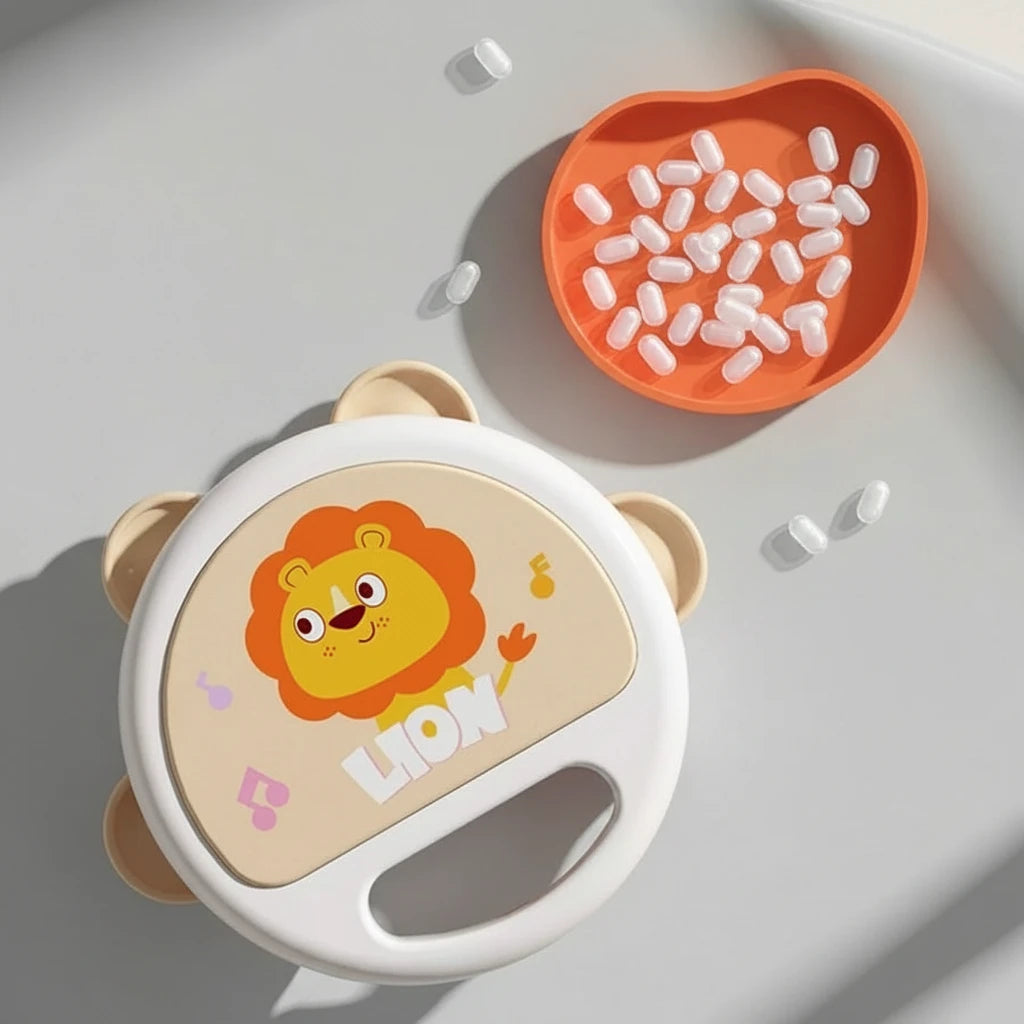
Toy drums, xylophones, tambourines, and pianos help develop rhythm, listening skills, and creativity.
11. Pull-Along Toys
These toys encourage movement, coordination, and confidence as toddlers begin walking independently.
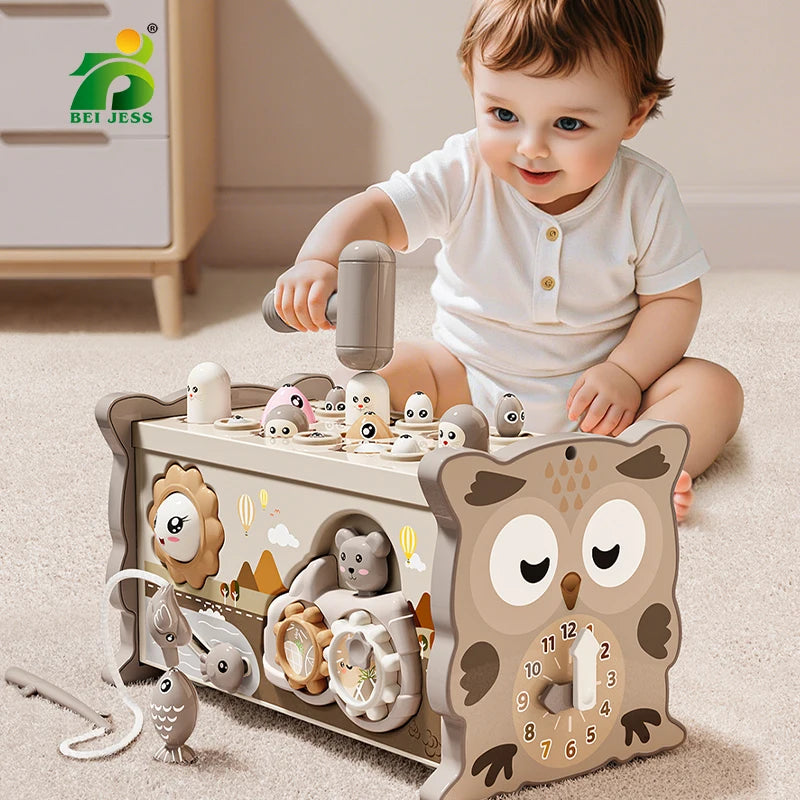
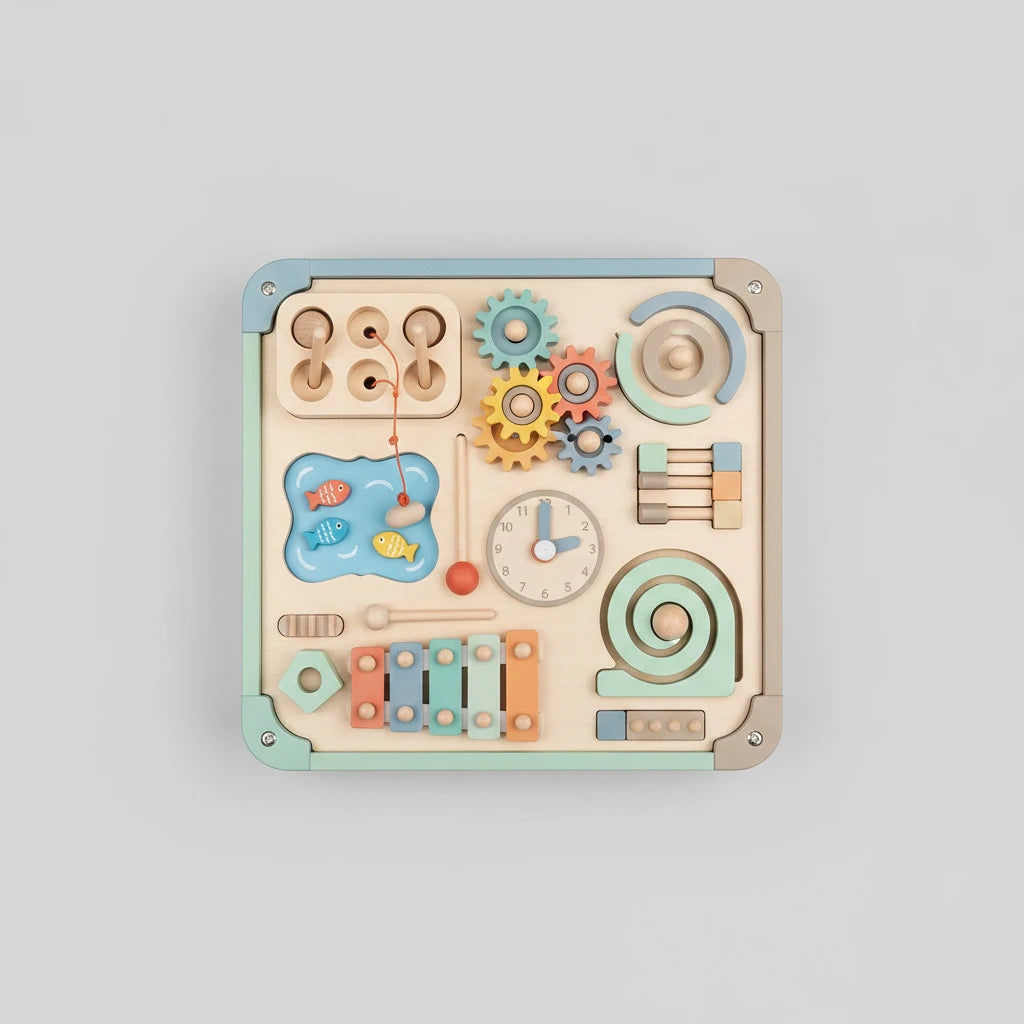
12. Activity Cubes
Activity cubes combine multiple learning experiences into one toy, helping children explore shapes, colors, gears, beads, and puzzles.
13. Sensory Books
Interactive books with textures, flaps, and sounds introduce babies and toddlers to language while stimulating curiosity.
14. Matching Games
Matching cards improve memory, concentration, and visual recognition while making learning enjoyable.
15. STEM Learning Toys
Simple STEM toys introduce science, technology, engineering, and mathematics through age-appropriate challenges that encourage critical thinking.
How to Choose Toys Based on Your Toddler's Age
12–18 Months
Choose toys that encourage movement, grasping, stacking, and sensory exploration.
18–24 Months
Look for puzzles, pretend play toys, building blocks, and simple musical instruments.
2–3 Years
Children enjoy more challenging activities such as matching games, alphabet puzzles, counting toys, and beginner STEM toys.
3–4 Years
At this stage, children benefit from imaginative play, creative building sets, arts and crafts, and educational games that strengthen early reading and math skills.
Tips for Encouraging Learning Through Play
Parents play an important role in making playtime meaningful.
Here are a few simple ways to support your child's development:
-
Let your child explore toys at their own pace.
-
Rotate toys regularly to keep playtime fresh and exciting.
-
Read together every day.
-
Limit screen time and encourage hands-on activities.
-
Celebrate curiosity by asking open-ended questions during play.
Why Families Choose Petit Trésor
At Petit Trésor, we believe every child deserves toys that inspire learning, creativity, and joyful discovery. That's why we carefully select educational toys, Montessori-inspired activities, sensory games, and baby essentials designed to support every stage of early childhood.
Whether you're looking for your baby's first learning toy or searching for the perfect gift for a growing toddler, our collection is chosen with quality, safety, and development in mind.
Discover toys that help little minds learn, explore, and thrive—because the best childhood memories begin with meaningful play.
Frequently Asked Questions
What are the best educational toys for toddlers?
Some of the most effective educational toys include building blocks, puzzles, shape sorters, sensory toys, busy boards, stacking toys, alphabet games, and pretend play sets.
Are Montessori toys good for toddlers?
Yes. Montessori-inspired toys encourage independence, creativity, focus, and hands-on learning while supporting healthy cognitive and motor development.
How many toys should a toddler have?
A smaller collection of high-quality, age-appropriate toys often provides more meaningful learning experiences than a large number of toys. Rotating toys every few weeks can also keep children engaged.
What age should children start using educational toys?
Babies can begin using sensory and developmental toys from birth, with more interactive educational toys introduced as they grow into toddlers.